Brake Service Basics
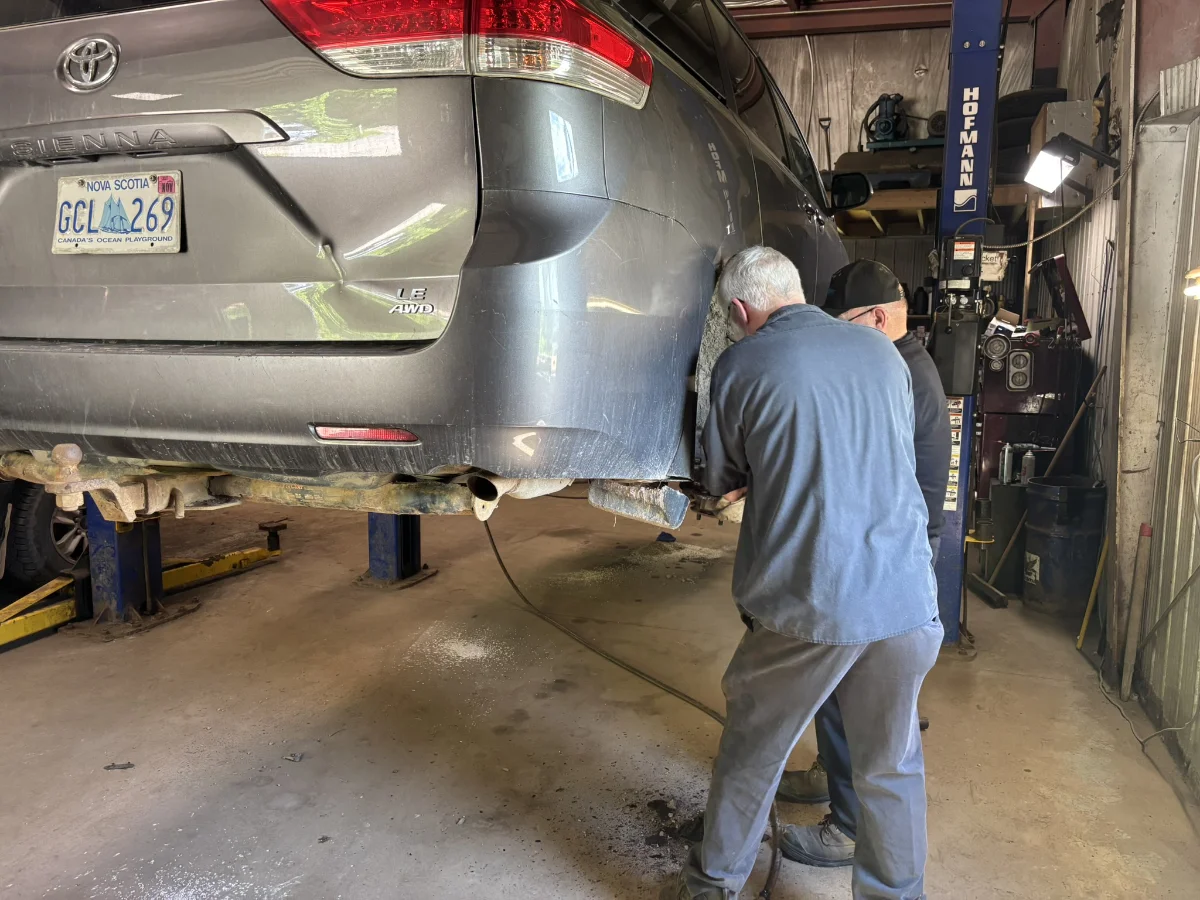
Stopping your car is arguably more important than starting it. While we all love the feeling of a smooth acceleration, it’s the braking system that stands between a routine commute and a costly (or dangerous) incident.
At our garage, we don't just "slap on pads." We believe in a methodical approach to braking performance. Here is everything you need to know about the components keeping you safe on the road.
1. The Anatomy of a Stop
Your braking system is a team effort, but two players do the heavy lifting:
Brake Pads: These are the "sacrificial" part of the system. They are made of friction material designed to wear down over time as they clamp onto the rotors.
Rotors (Discs): These are the metal discs that spin with your wheels. When you hit the pedal, the pads squeeze these discs to create the friction needed to stop.
Why Quality Matters
Not all pads and rotors are created equal. We prioritize quality components that manage heat effectively. Low-grade parts often lead to "brake fade," where your stopping distance increases significantly after just a few hard stops.
2. Signs Your Brakes Need Attention
Your car is usually pretty vocal when it’s unhappy. Keep an ear out for these "cries for help":
The Squeal: Most pads have a small metal tab that scrapes the rotor when the friction material is low. It’s an intentional "alarm clock" for your service.
The Grind: If you hear metal-on-metal grinding, stop immediately. This means your pads are gone, and you’re damaging your rotors.
The Wobble: If your steering wheel shakes or the brake pedal pulses when slowing down, your rotors may be warped or have uneven "pad transfer."
The "Squish": A soft or spongy pedal often points to air in the lines or aging brake fluid that has absorbed too much moisture.
3. Our Professional Inspection Process
A proper brake service is more than a visual check. When we inspect your vehicle, we look at:
Pad Thickness: Measuring exactly how much "life" is left.
Rotor Condition: Checking for heat spots, cracks, or thinning.
Hydraulics: Inspecting lines for leaks and testing the boiling point of your brake fluid.
Hardware & Lubrication: Ensuring the calipers slide freely. Seized sliders are a leading cause of premature pad wear.
4. The Secret Ingredient: Proper Bedding
Ever had new brakes that felt "weird" or squeaked right away? It might be because they weren't bedded in.
Bedding (or "seasoning") is a specific procedure of repeated stops that transfers a thin layer of friction material from the pad to the rotor. This ensures:
Maximum stopping power.
Reduced noise.
Longer rotor life.
Safety is a Choice
Brake maintenance is one of the most cost-effective ways to ensure road safety. By catching wear early, you avoid the "domino effect" where a simple pad replacement turns into a full system overhaul.
When was the last time your braking system had a professional "health check"?
Need a hand with this?
Book Appointment